
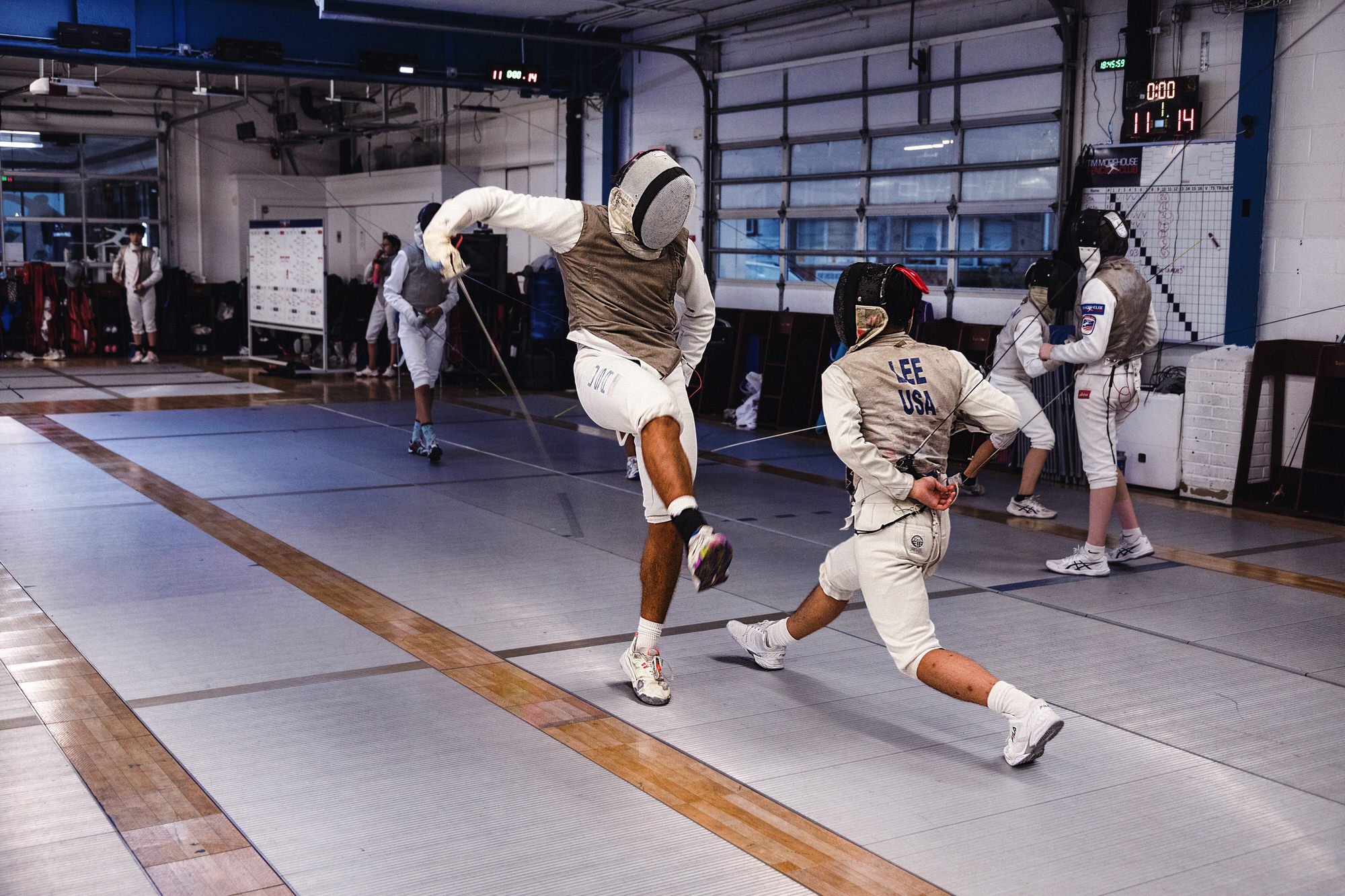
tournament services
Everything fencers and parents need to know —
from first tournaments to qualifying for Summer Nationals.
Upcoming Tournaments
Beginner’s Guide to Fencing Tournaments (Youth & Teens)
New to competing? This guide covers when to start, what to bring, how to register, and what to expect on competition day—so your first events are smooth and confidence-building.
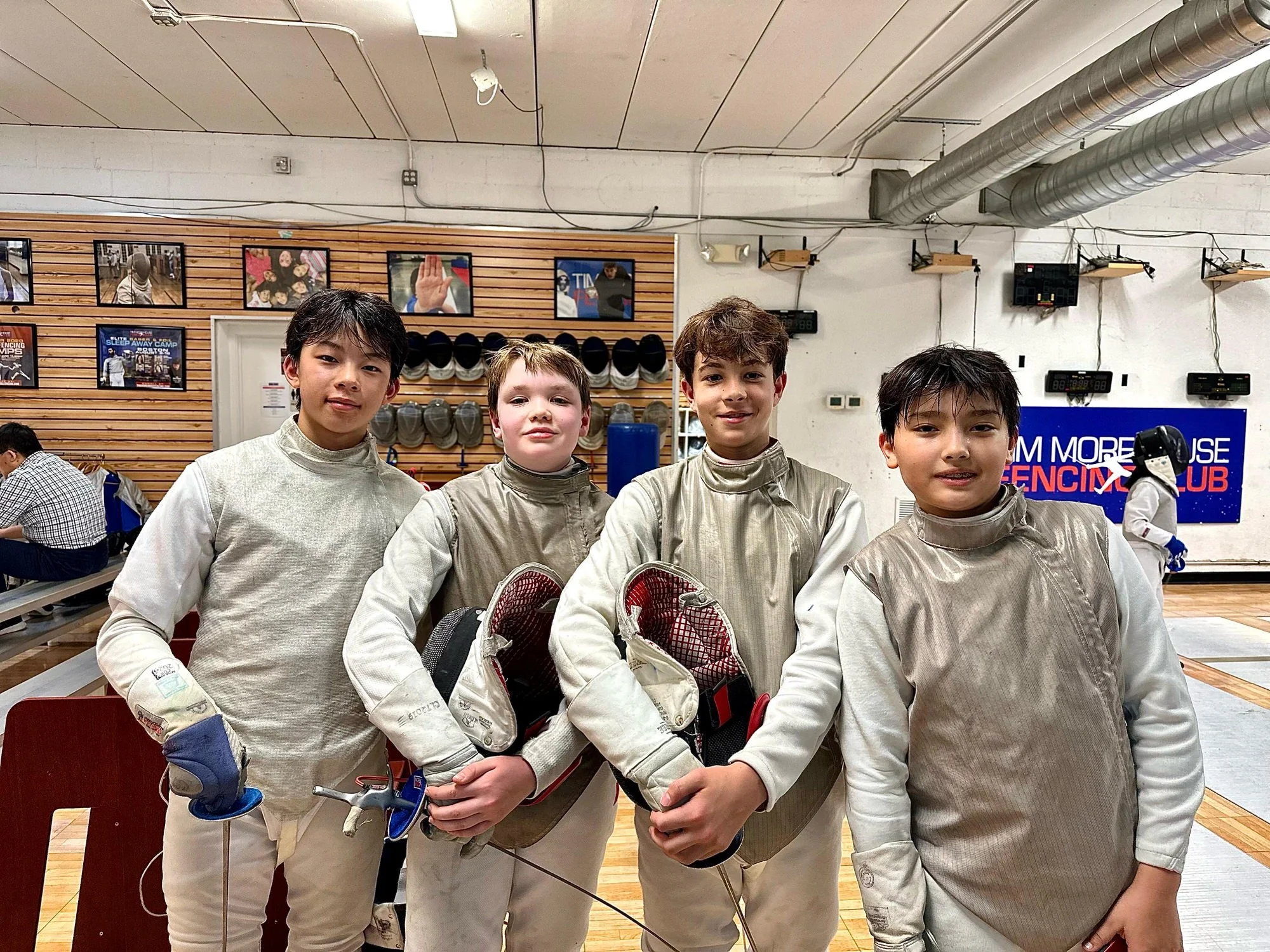
When Should I Start Competing?
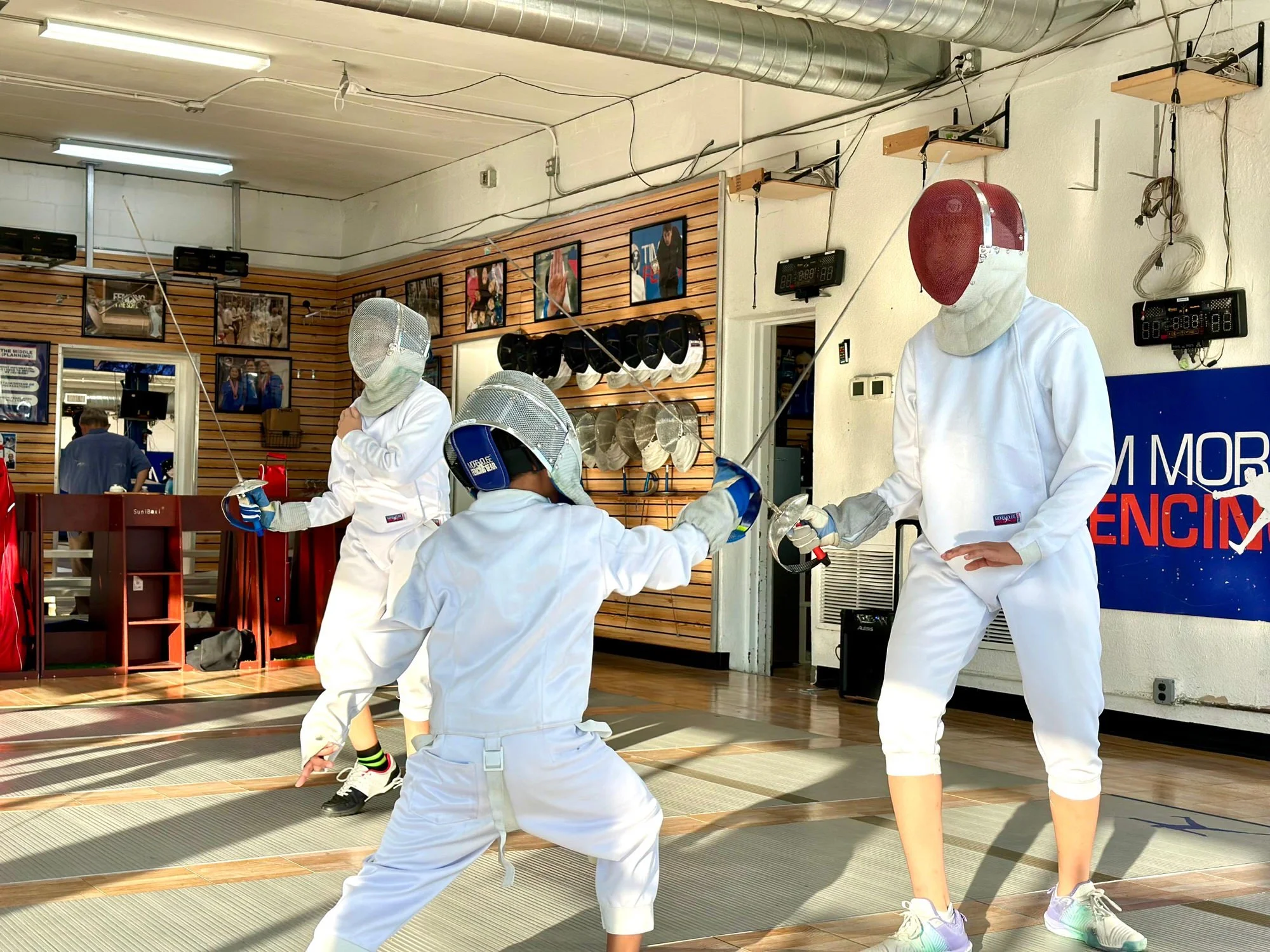
After a Trial + starter classes/camp and once a coach gives the green light.
Early tournaments are for learning, not results. Aim for 1 event/month once you begin.
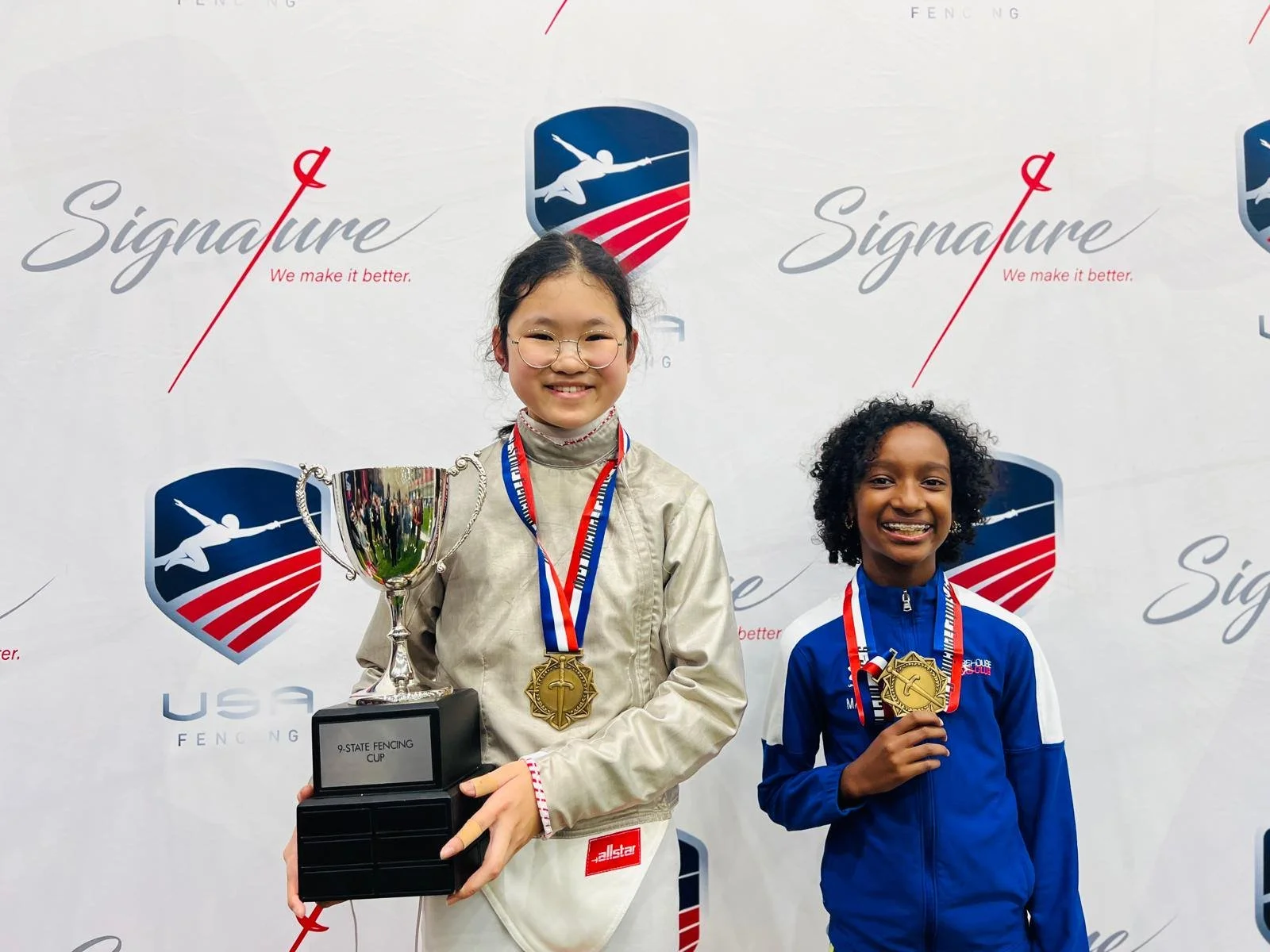
Which Tournaments Should I Fence First?
Start local: in-club events and nearby club tournaments.
Choose your age category first (Y8, Y10, Y12, Y14).
Older beginners (Cadet/Junior/Senior): look for Unrated or E-and-under events.
TMFC posts recommended events on our calendar.

Must-Dos Before You Register
USA Fencing Competitive Membership (required to compete).
Know your age category (based on birth year, not birth date).
Have the right gear (see checklist below).
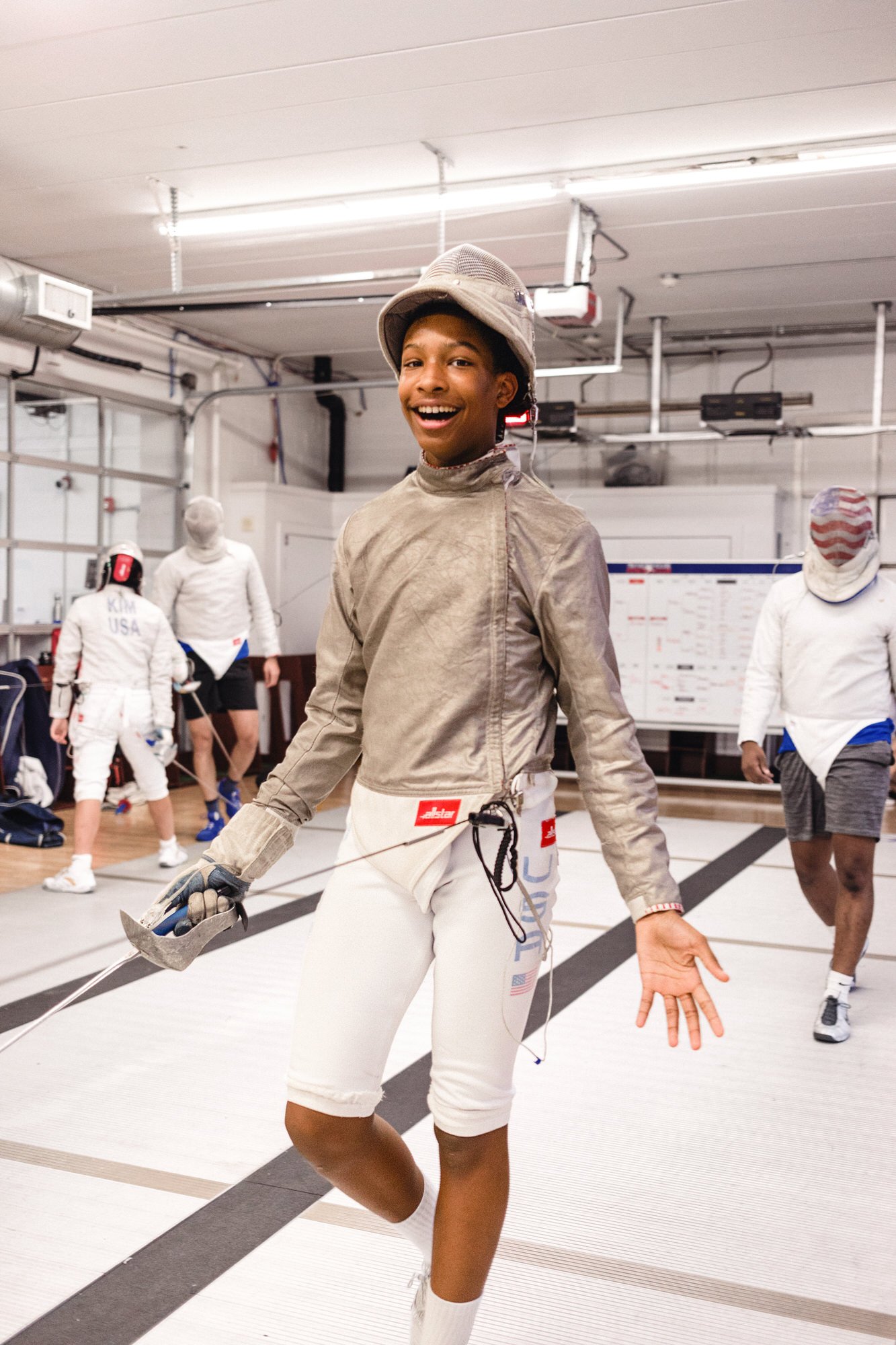
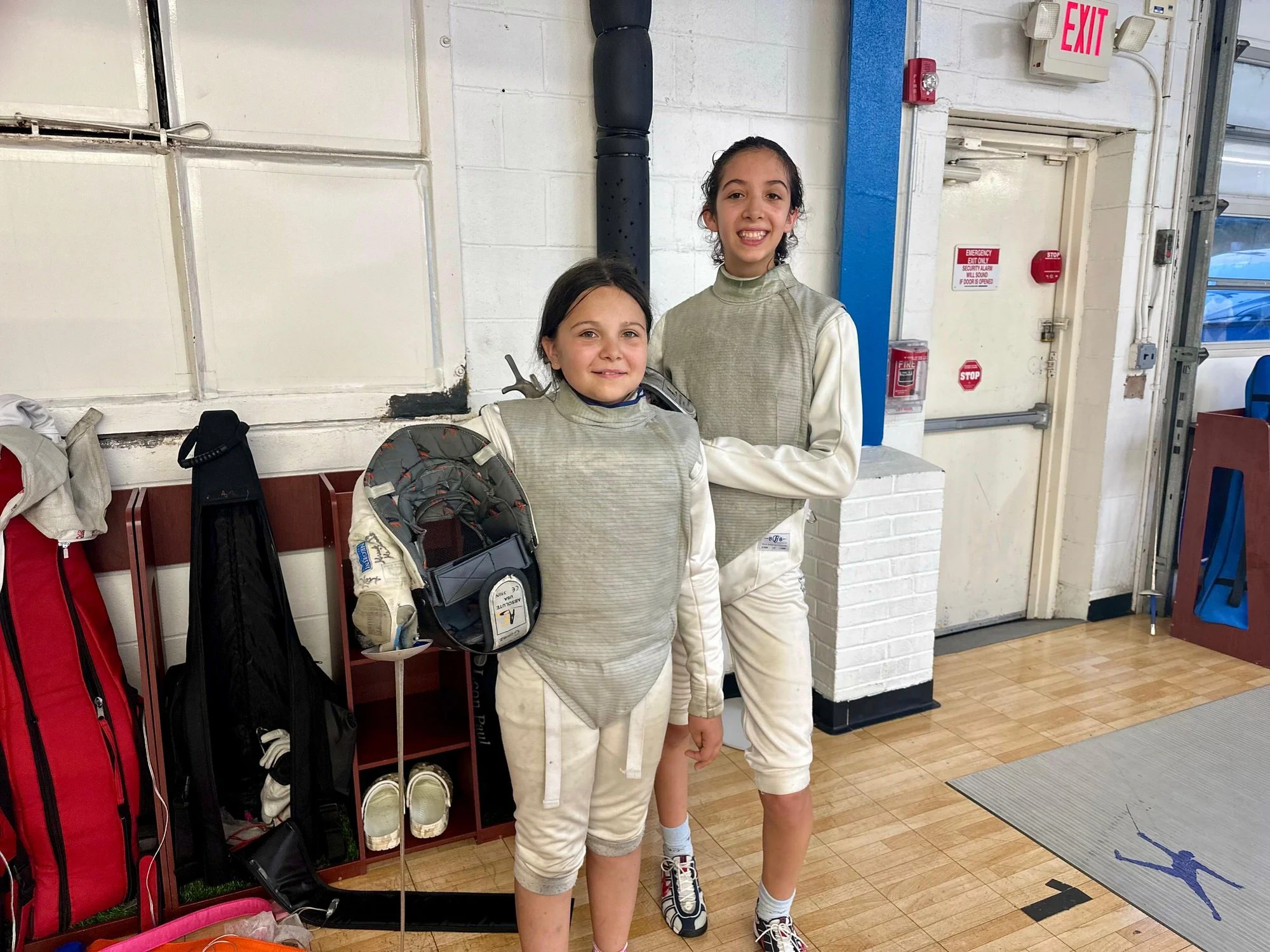
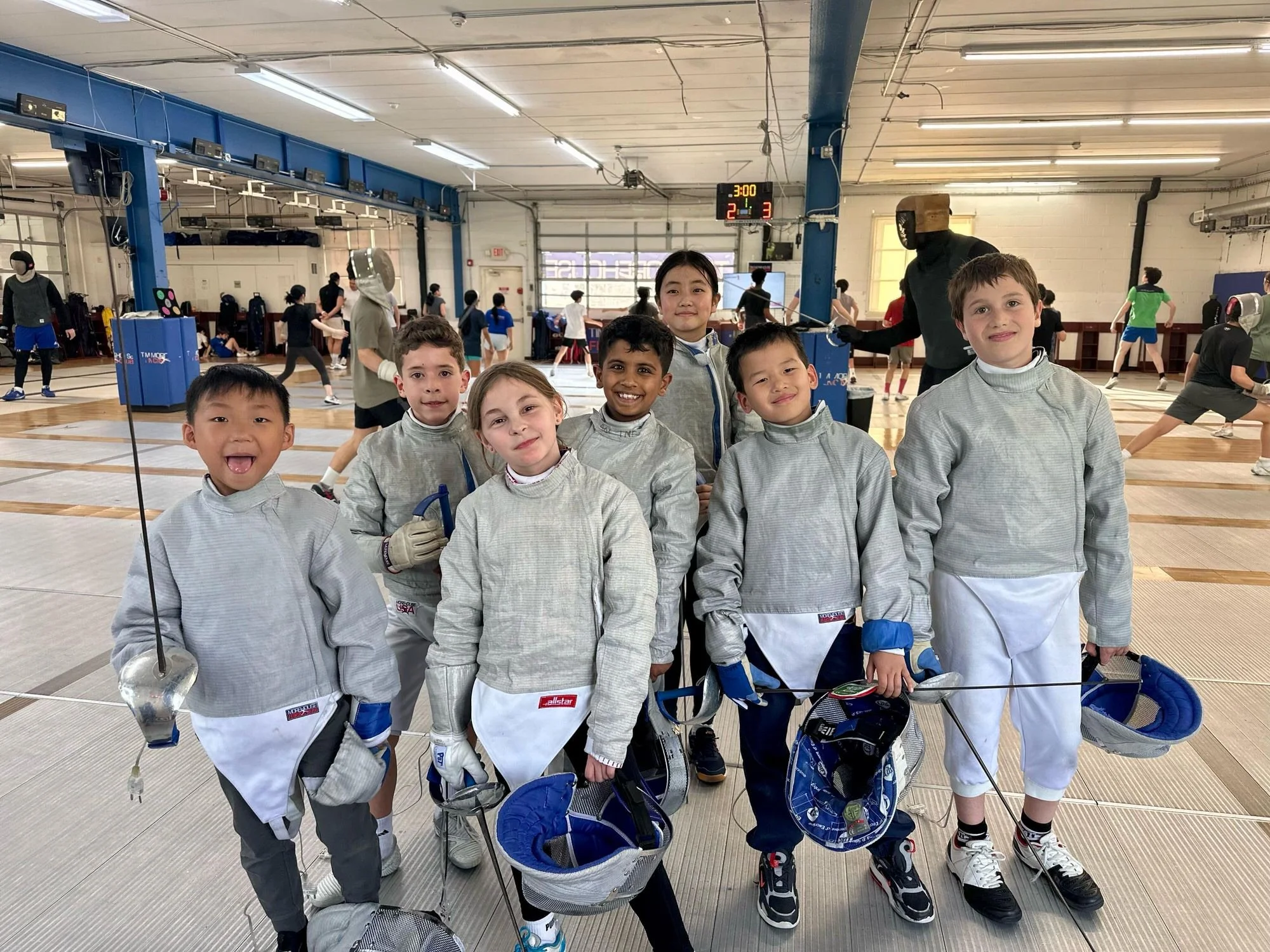
Gear Checklist (Saber)
Required:
800N saber glove (competition-legal)
Mask (electric saber)
Jacket + underarm protector
Pants/knickers + long socks (no skin between shoe and pants)
Electric saber jacket (lame) — stainless preferred for durability
2 body cords + 2 head clips (always carry backups)
2 sabers (Y10 = size 2; Y12+ = size 5)
Recommended:
Fencing bag, fencing shoes, spare socks/tape/tools
Tip: Do an at-home gear check the night before. Label everything.
How to Find & Register for Tournaments
TMFC Tournament Calendar → club-recommended events (regional/national/local).
AskFRED → most local events.
USA Fencing → regional (RYC, RJCC, ROC) and national (NAC) events.
Register before deadlines to avoid late/double fees. Regional/national events do not allow walk-ins.
Quick Acronym Guide
SYC/RYC: Youth events (Y10, Y12, Y14)
RJCC: Cadet (U17) & Junior (U20)
ROC: 14+ (Open, Div 1A/2/3)
NAC: National events (all levels)
Your First 10 Tournaments (Roadmap)
1–3: Local/in-club learning events
4–6: Local + one RYC/SYC (with coach approval)
7–10: Mix of local/RYC; consider a NAC once consistent and coach-approved
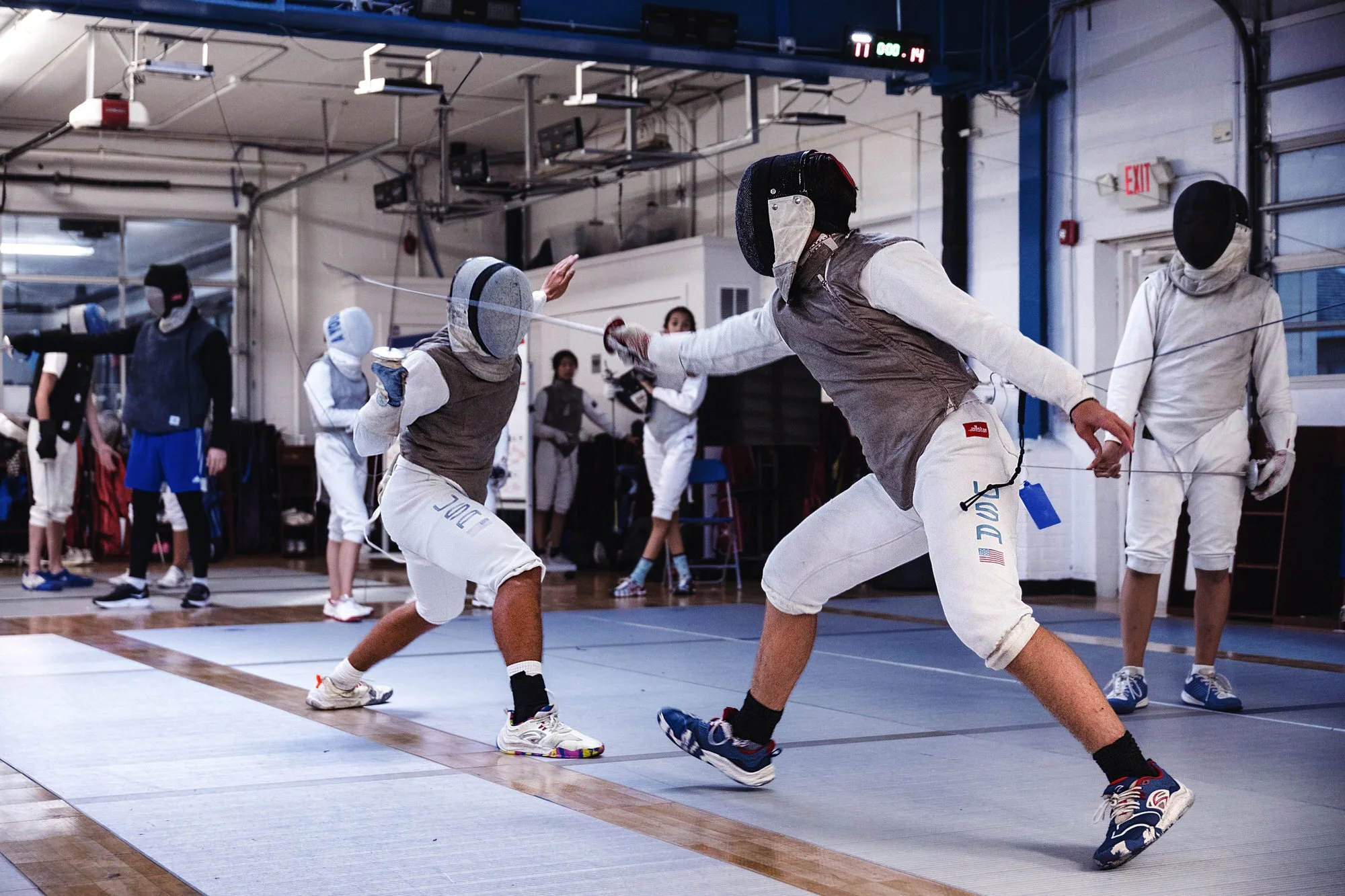
Competition Day: What to Expect
Arrival Time
Arrive at least 60 minutes before check-in closes (earlier for big events).
Step-by-Step on Arrival
Check in (have USA Fencing # and ID ready).
Equipment check (weapons control). Get in line immediately after check-in.
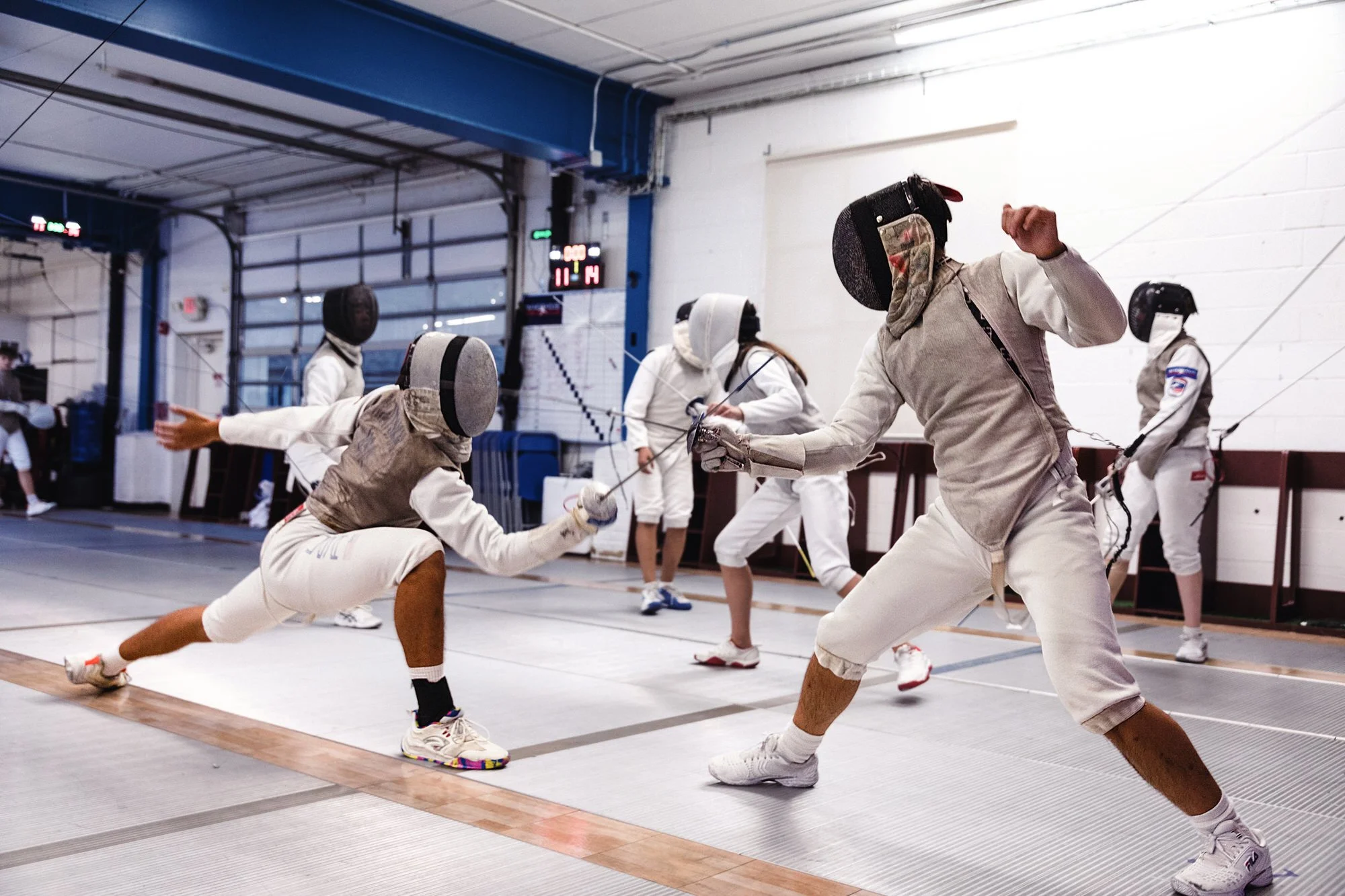
Warm-up (40+ min): jog, stretch, footwork, 5–10 mins of electric bouting if space allows.
Find your strip: when pools post, listen/look/ask and go straight to your strip.
Pro move: Keep a small kit (spare cords, tool, tape) at your strip.
Coaching & Team Flow
TMFC coaches work to cover as many bouts as possible; ratios vary by event size.
Students should stay near their strip/pod between rounds.
Parents: cheer positively, help your fencer stay fueled/focused, and don’t coach at the strip.
Expectations & Mindset (For Families and Fencers)
Best effort, great sportsmanship, team spirit.
No excuses—control what you can: prep, focus, effort, and composure.
Support teammates: stay to cheer when you’re done (you’ll learn a ton watching finals).
Only coaches address referees; fencers may ask brief clarifying questions.
Ratings, Points & “What’s Next?”
You start Unrated (U); ratings progress E → D → C → B → A and affect seeding.
Regional/national events award points based on results/field size.
With guidance, athletes can set goals: RYC/SYC → RJCC/ROC → NAC → Summer Nationals/JO.
Qualifying at a Glance
Summer Nationals/July Challenge: multiple paths via regional/national results and/or ratings (varies by category).
Your coach will help build a season plan that fits age, level, and goals.
Ready to Compete?
Not sure where to start? Ask your coach at practice or email info@timmorehousefencing.com